On the morning of 8 May 2026, at Hall 5 of the Headquarters of the Ho Chi Minh City People’s Council and the Ho Chi Minh City People’s Committee, the Standing Committee of the Ho Chi Minh City People’s Council, in collaboration with Ho Chi Minh City University of Law, convened the scientific conference entitled “The Law on Special Urban Governance – Institutional Breakthroughs for Ho Chi Minh City.” The conference brought together a distinguished assembly of experts, scholars, members of the National Assembly, delegates of People’s Councils, leaders of departments and agencies, representatives of enterprises, and academic and research institutions from across the country.
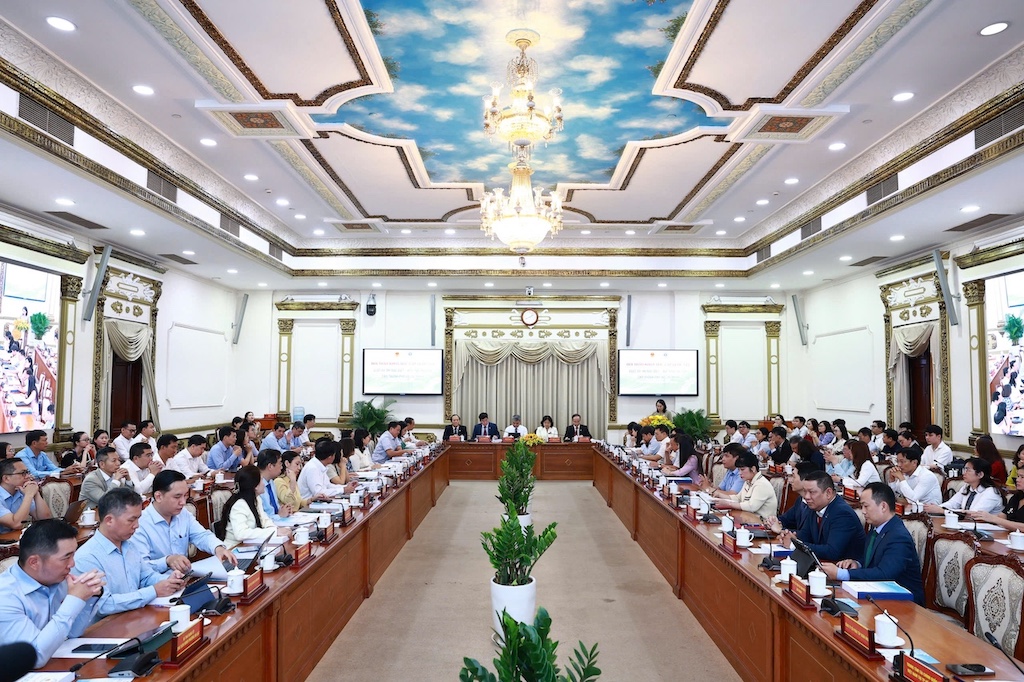
The atmosphere of the hall during the national scientific gathering
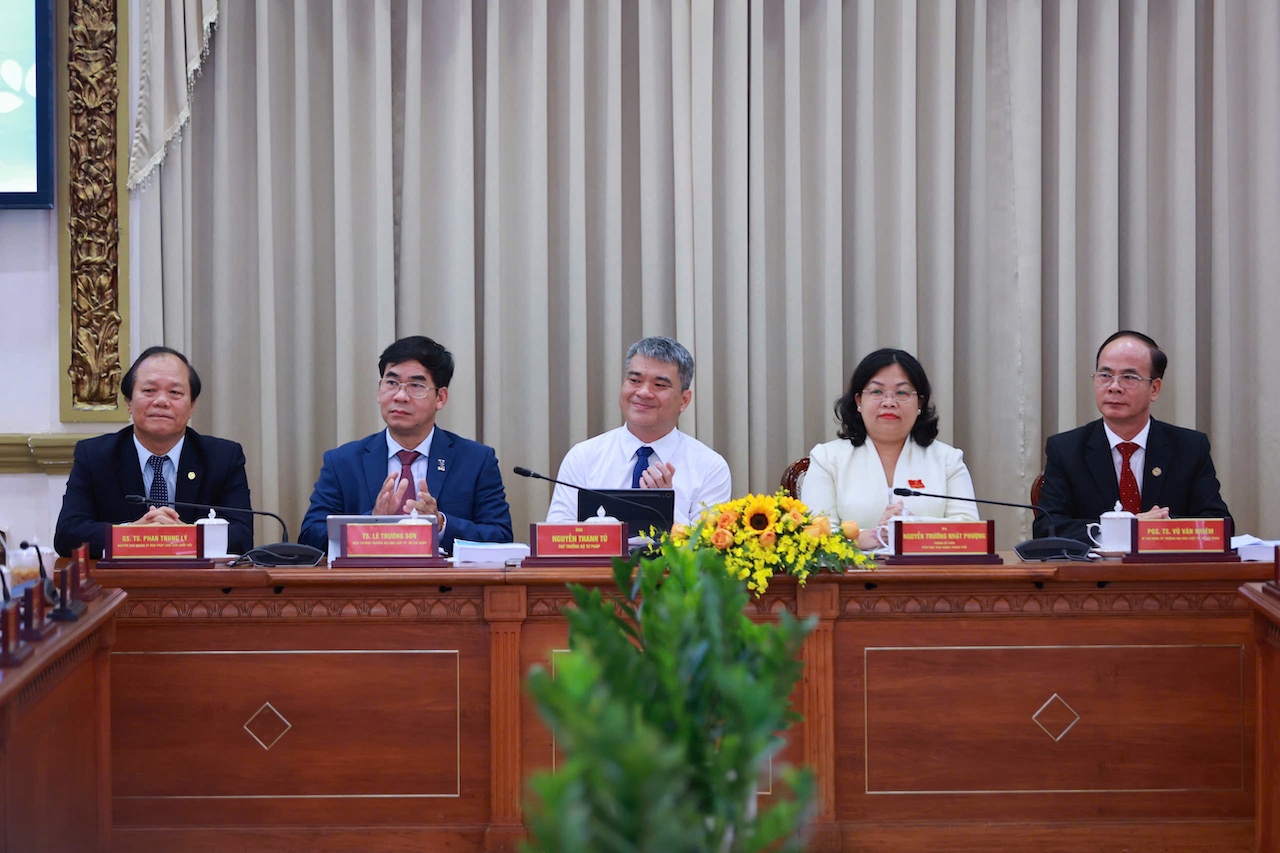
Members of the conference presidium during the working session
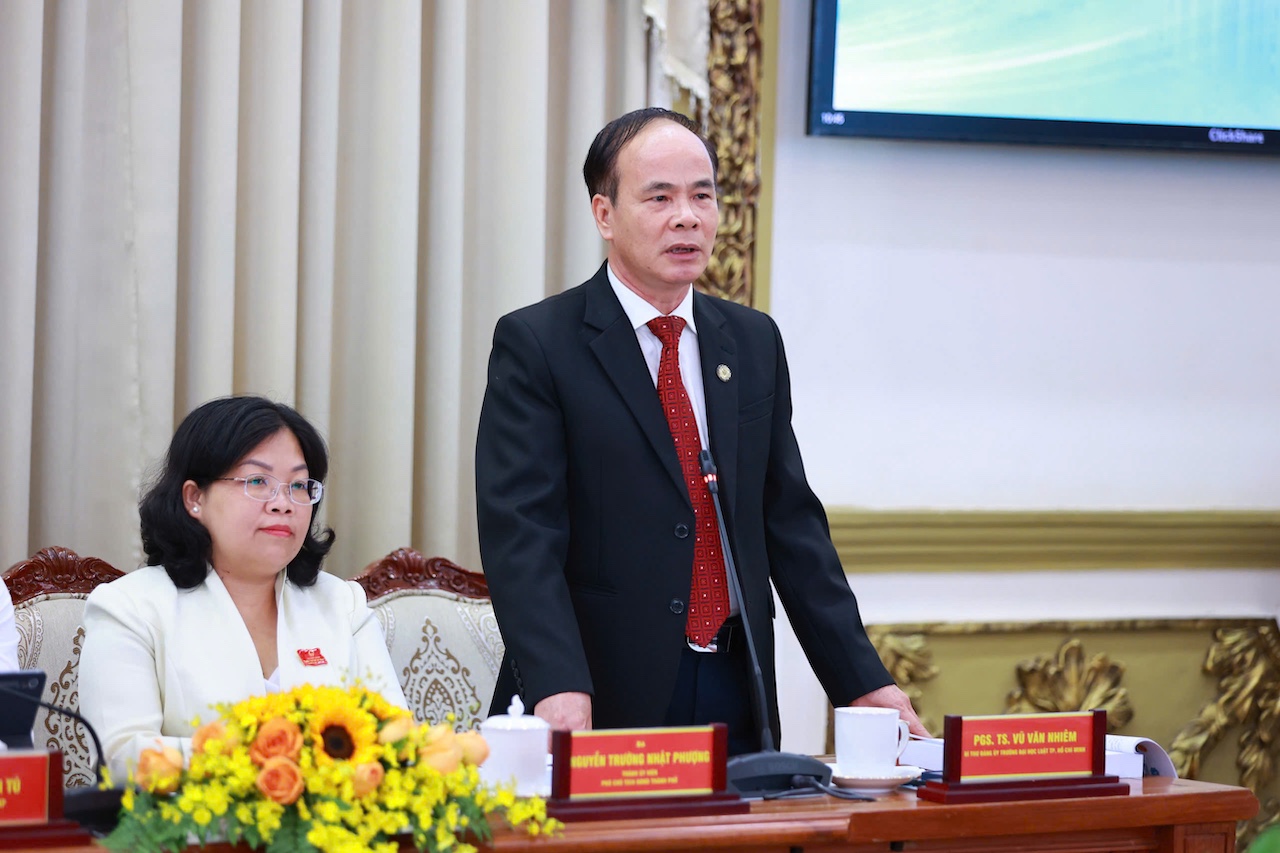
Associate Professor Dr. Vũ Văn Nhiêm delivering his remarks at the conference
At a time when Ho Chi Minh City is confronted with new developmental imperatives as the nation’s leading economic, financial, scientific-technological and innovation hub, the formulation of a Law on Special Urban Governance has been regarded not merely as an institutional necessity, but as a pivotal step toward establishing a long-term, sustainable and internationally competitive development framework for the City.
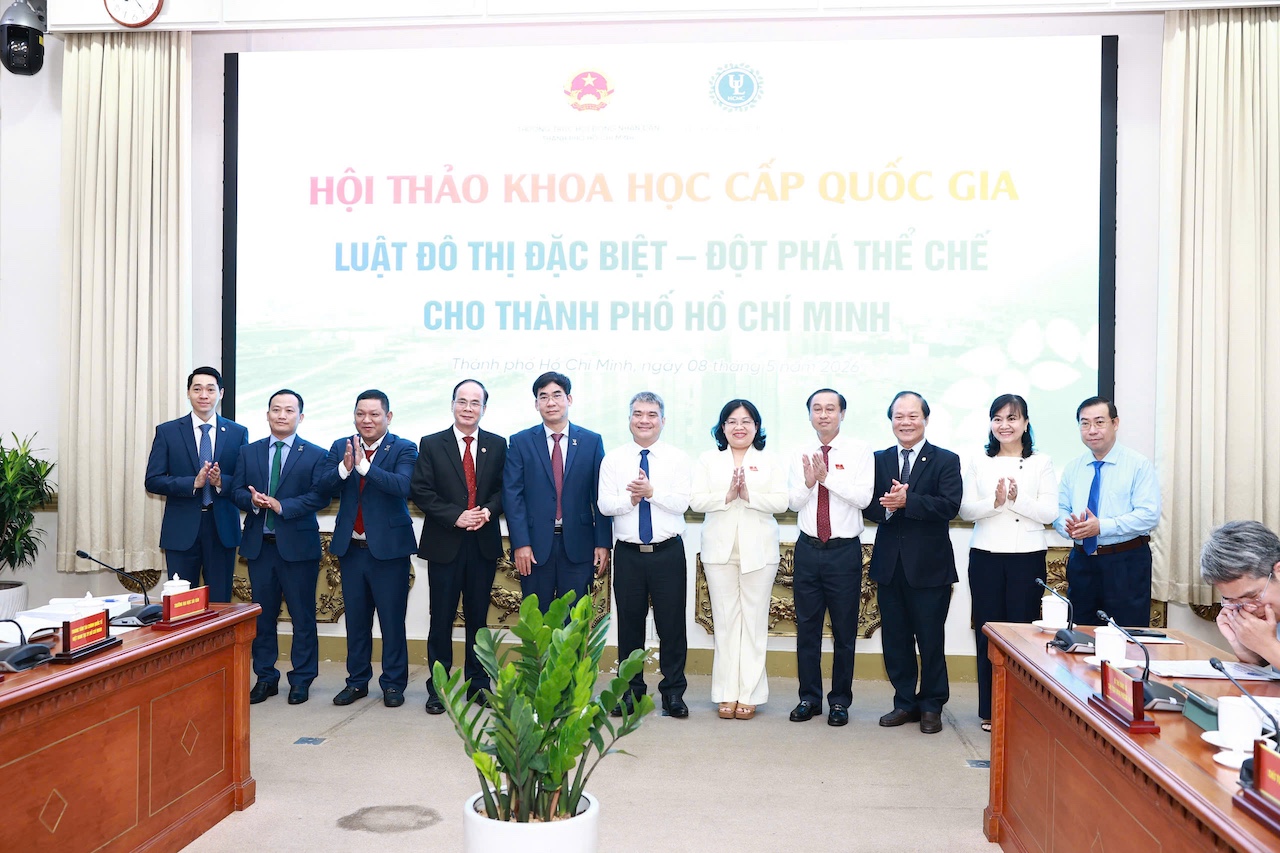
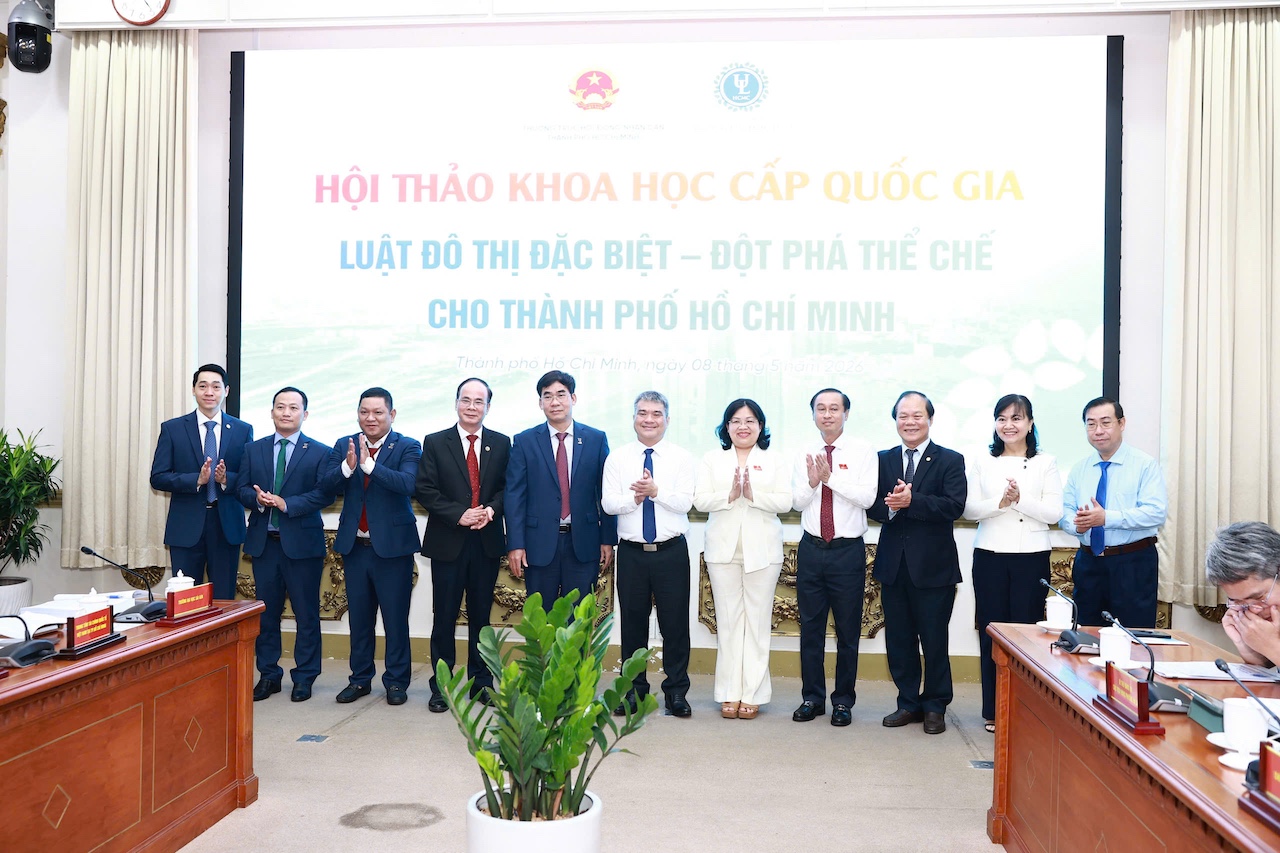
Representatives of the organizing institutions posing for a commemorative photograph
Delivering the opening remarks, Ms. Nguyễn Trường Nhật Phượng – Member of the Ho Chi Minh City Party Committee and Vice Chairwoman of the Ho Chi Minh City People’s Council – emphasized that Ho Chi Minh City is facing an urgent need to establish a new institutional foundation commensurate with its role as the country’s principal economic locomotive and a major centre for finance, science and technology, and innovation. According to her, although the implementation of special mechanisms over recent years has generated significant positive outcomes, it has simultaneously exposed the limitations of the “pilot mechanism” model, particularly in terms of institutional stability and its capacity to address the long-term developmental demands of a mega-city.
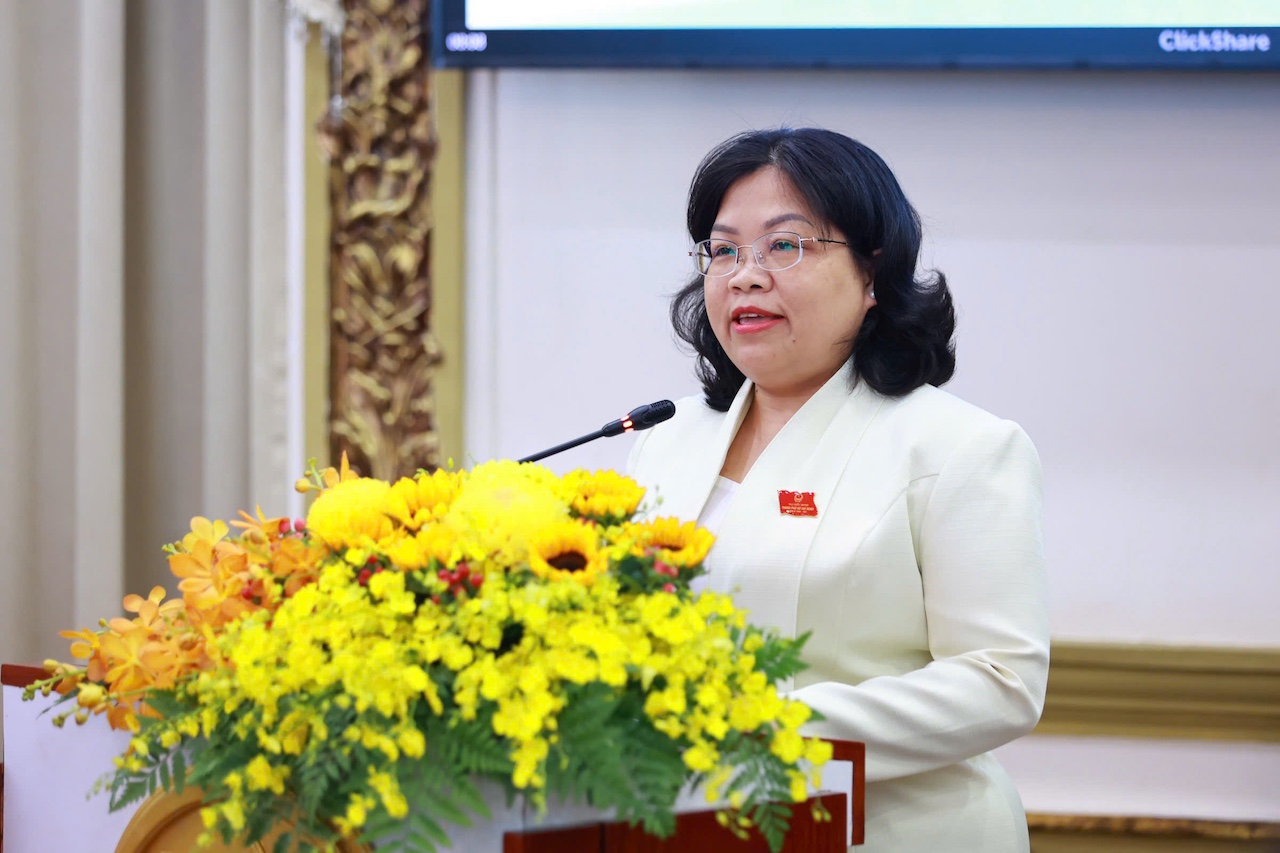
Ms. Nguyễn Trường Nhật Phượng – Member of the Ho Chi Minh City Party Committee and Vice Chairwoman of the Ho Chi Minh City People’s Council – delivering remarks at the conference
The Vice Chairwoman of the Ho Chi Minh City People’s Council further observed that the Law on Special Urban Governance must not merely represent a refinement of the legal framework, but should instead serve as the cornerstone of a more modern, flexible and globally competitive urban governance model. In her view, the legislation must introduce substantive breakthroughs in decentralization and delegation of authority, while expanding the institutional space available to the City in areas such as resource mobilization, science and technology, innovation, digital transformation, and talent attraction, thereby enabling Ho Chi Minh City to continue fulfilling its role as a principal driver of national growth in the new development era.
Mr. Nguyễn Mạnh Cường, Vice Chairman of the Ho Chi Minh City People’s Committee, stated that the drafting of the Law on Special Urban Governance constitutes a strategic mission of profound significance, reflecting the special attention of the Party Central Committee and the General Secretary and President of the State toward the future development orientation of Ho Chi Minh City. According to him, the City is currently under tremendous pressure, yet simultaneously bears immense expectations for a law that is “stronger, broader and more exceptional,” capable of creating an entirely new development space for the nation’s leading metropolis. The City is presently coordinating closely with ministries, sectors, experts and scholars to formulate mechanisms appropriate to the development requirements of a modern mega-city, ranging from smart urban governance and data exploitation to underground-space development, policy experimentation mechanisms, and the protection of officials who dare to innovate and act decisively.
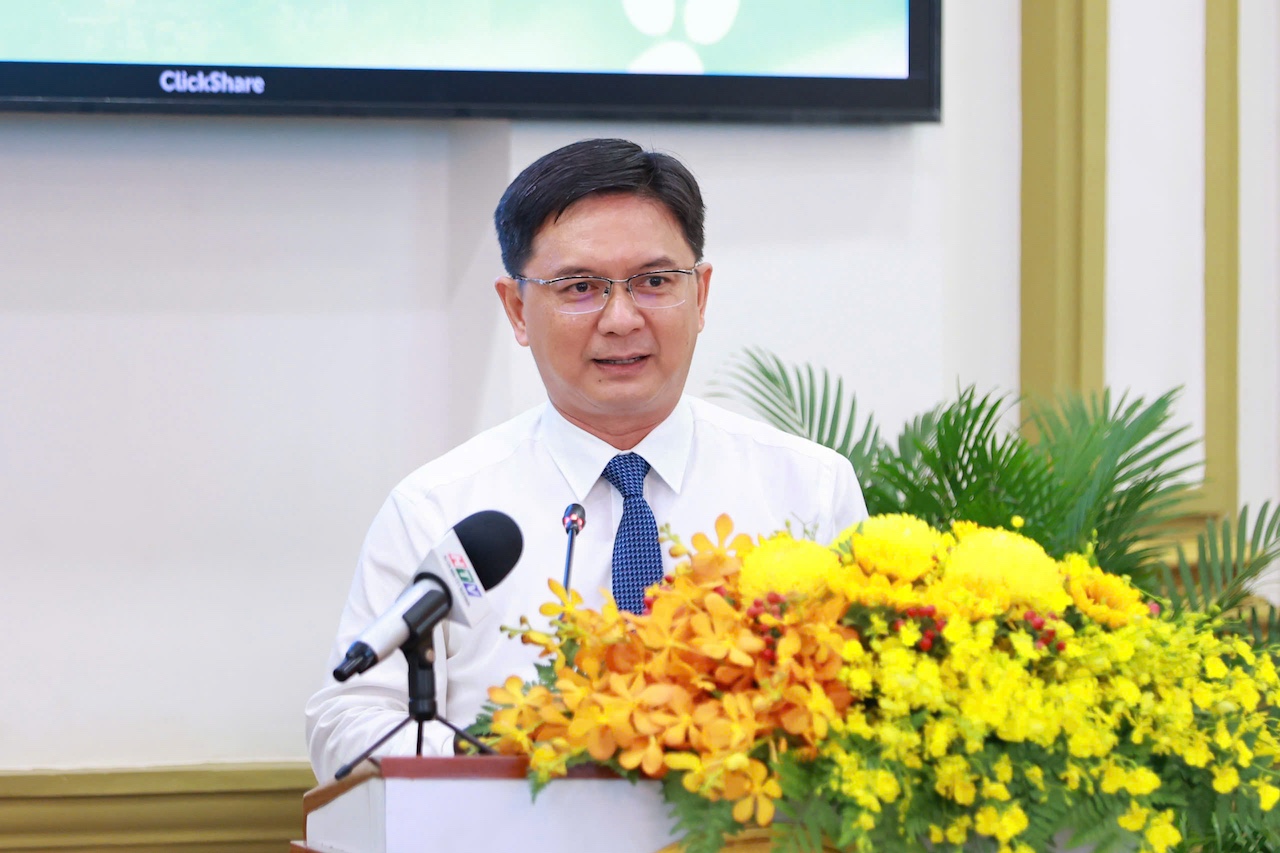
Mr. Nguyễn Mạnh Cường, Vice Chairman of the Ho Chi Minh City People’s Committee, delivering remarks at the conference
The Vice Chairman also underscored that the draft Law must be grounded in the practical realities of Ho Chi Minh City, with “substantive decentralization” as its central principle, accompanied by clear mechanisms for supervision, inspection and accountability. In his assessment, this represents not only a requirement for institutional refinement but also an opportunity to establish a more modern, adaptive and effective urban governance model for the future. He likewise highly appreciated the participation of central and local agencies, experts and scholars at the conference, whose contributions would help shape important theoretical and practical foundations for the continued refinement of the draft Law on Special Urban Governance for Ho Chi Minh City.
In his keynote directive speech, Deputy Minister Nguyễn Thanh Tú of the Ministry of Justice stressed that, amid the urgent legislative timetable currently being pursued, it is essential to clearly define the orientation for developing a Law on Special Urban Governance specifically tailored to Ho Chi Minh City, grounded in the spirit that “Ho Chi Minh City serves the nation, and the nation supports Ho Chi Minh City.” According to the Deputy Minister, the legislation must truly create breakthroughs in institutional arrangements and urban governance, focusing on strategic issues such as decentralization, urban planning, infrastructure development, mobilization of private resources, regional connectivity, and the resolution of longstanding bottlenecks relating to transportation, flooding and environmental pollution, thereby expanding the City’s development space in the new era.
Deputy Minister Nguyễn Thanh Tú emphasized that the essence of the Law on Special Urban Governance lies in granting stronger and more substantive powers to Ho Chi Minh City, particularly by enhancing the role of the Ho Chi Minh City People’s Council in promulgating mechanisms and policies suited to practical realities. At the same time, the Law should be designed with an open and flexible mindset, providing sufficient institutional latitude for the City to exercise initiative in areas such as public–private partnerships, infrastructure development, land recovery, site clearance and regional linkage. In his view, the legislative drafting process requires close coordination among central agencies, the Ho Chi Minh City Party Committee, the City People’s Council, the City People’s Committee, and the community of experts and scholars so as to ensure that the resulting provisions are not only legally sound but also genuinely aligned with the future development demands of Ho Chi Minh City.
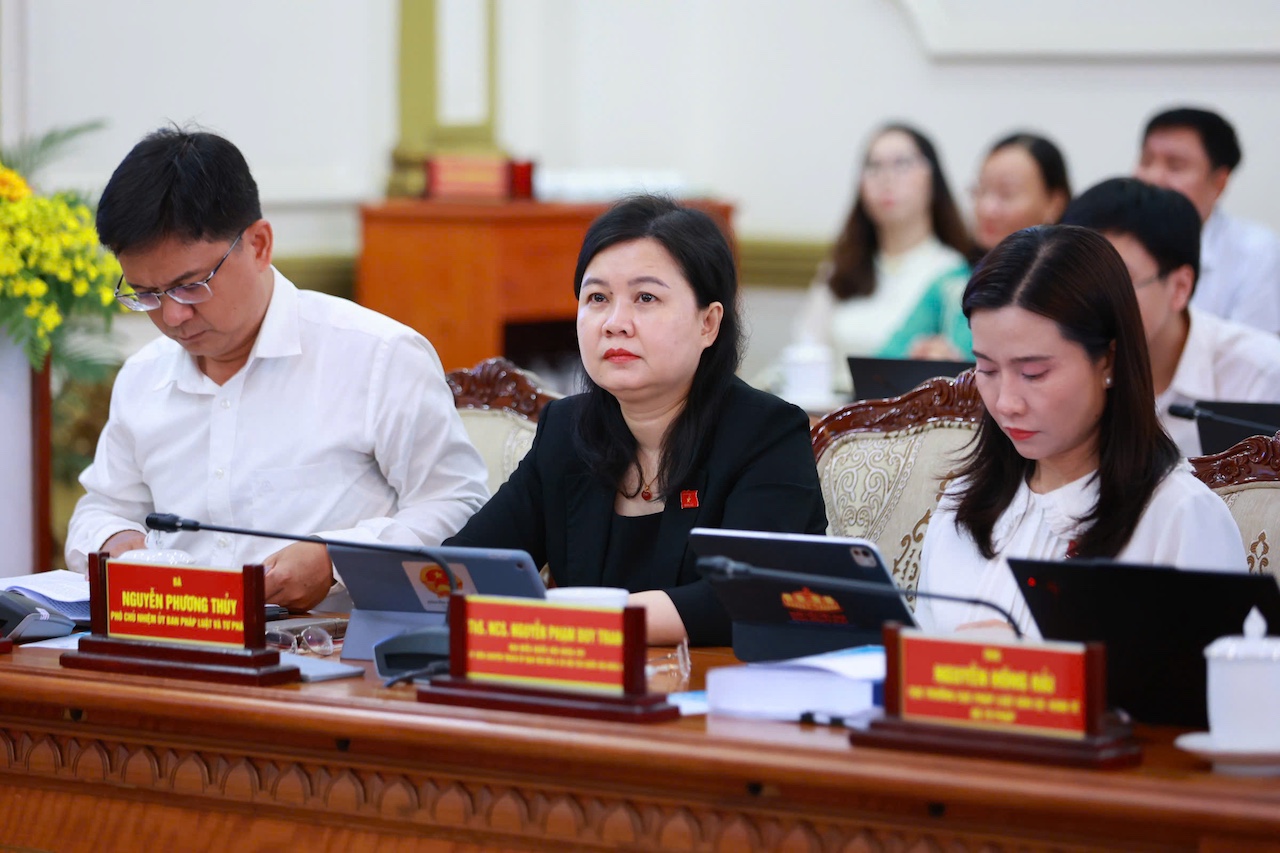
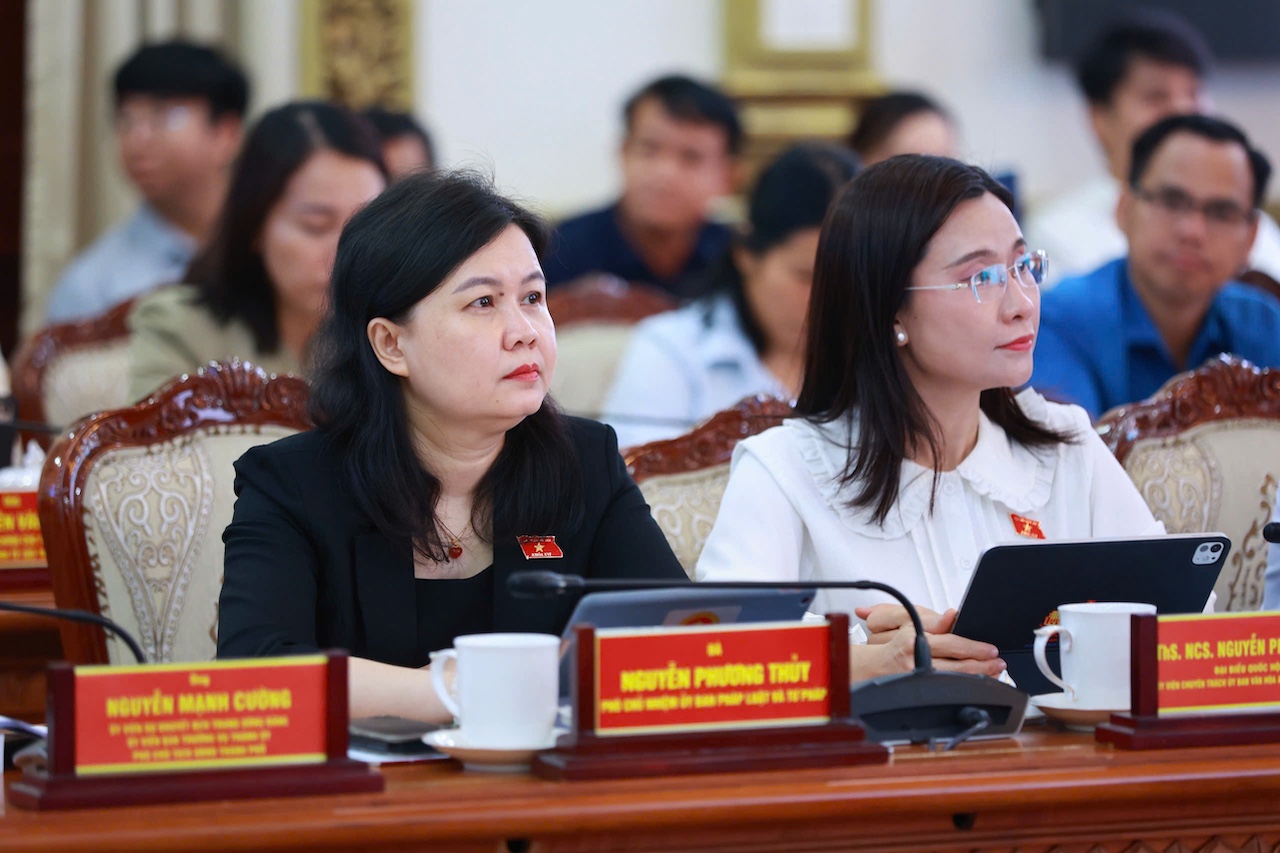
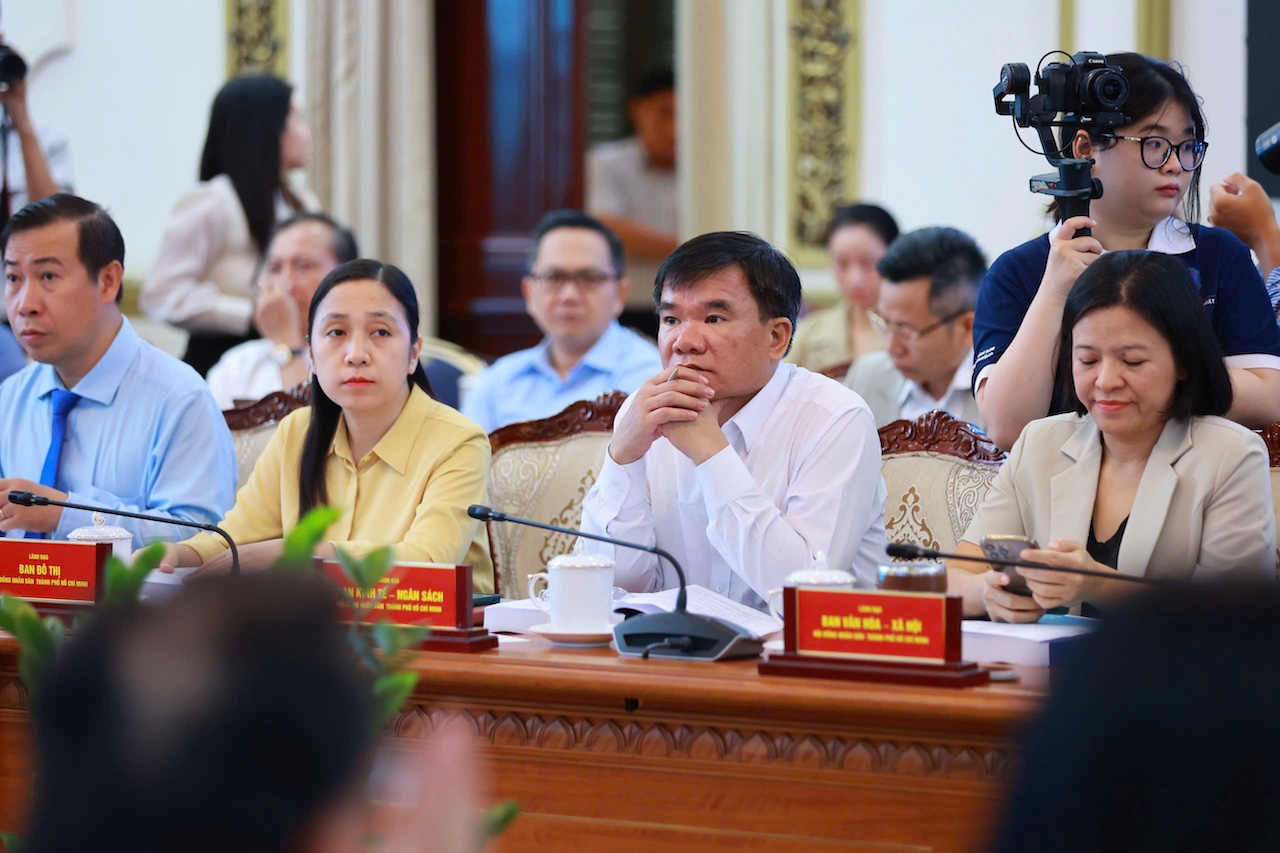
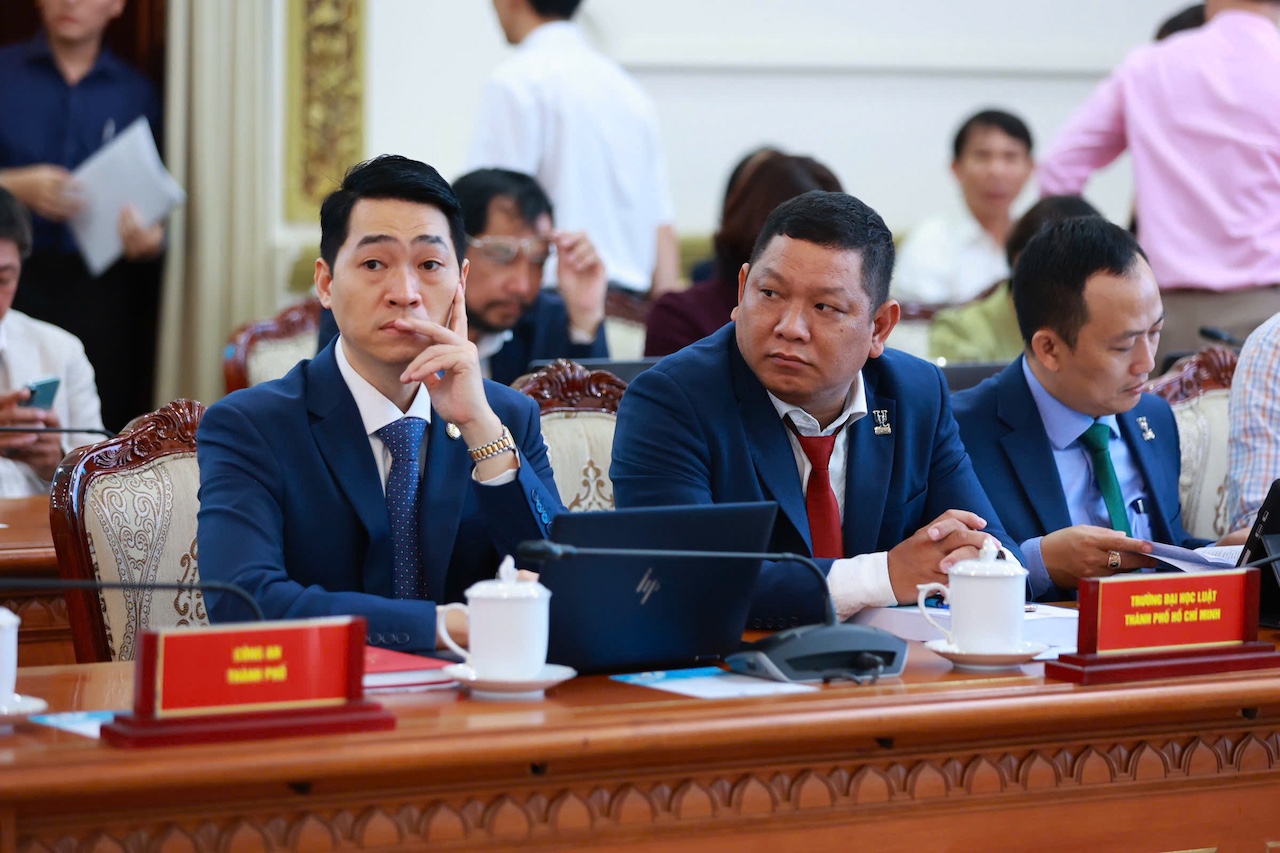
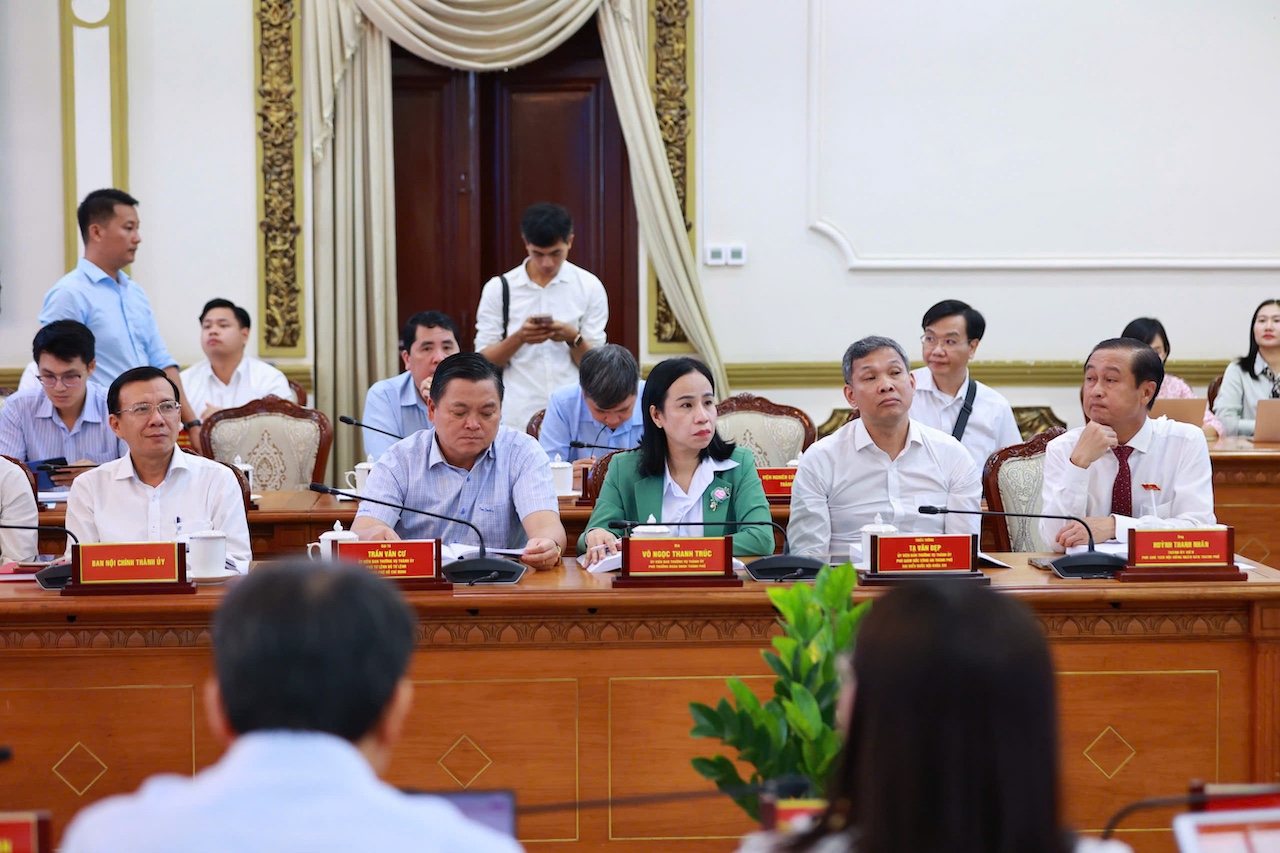
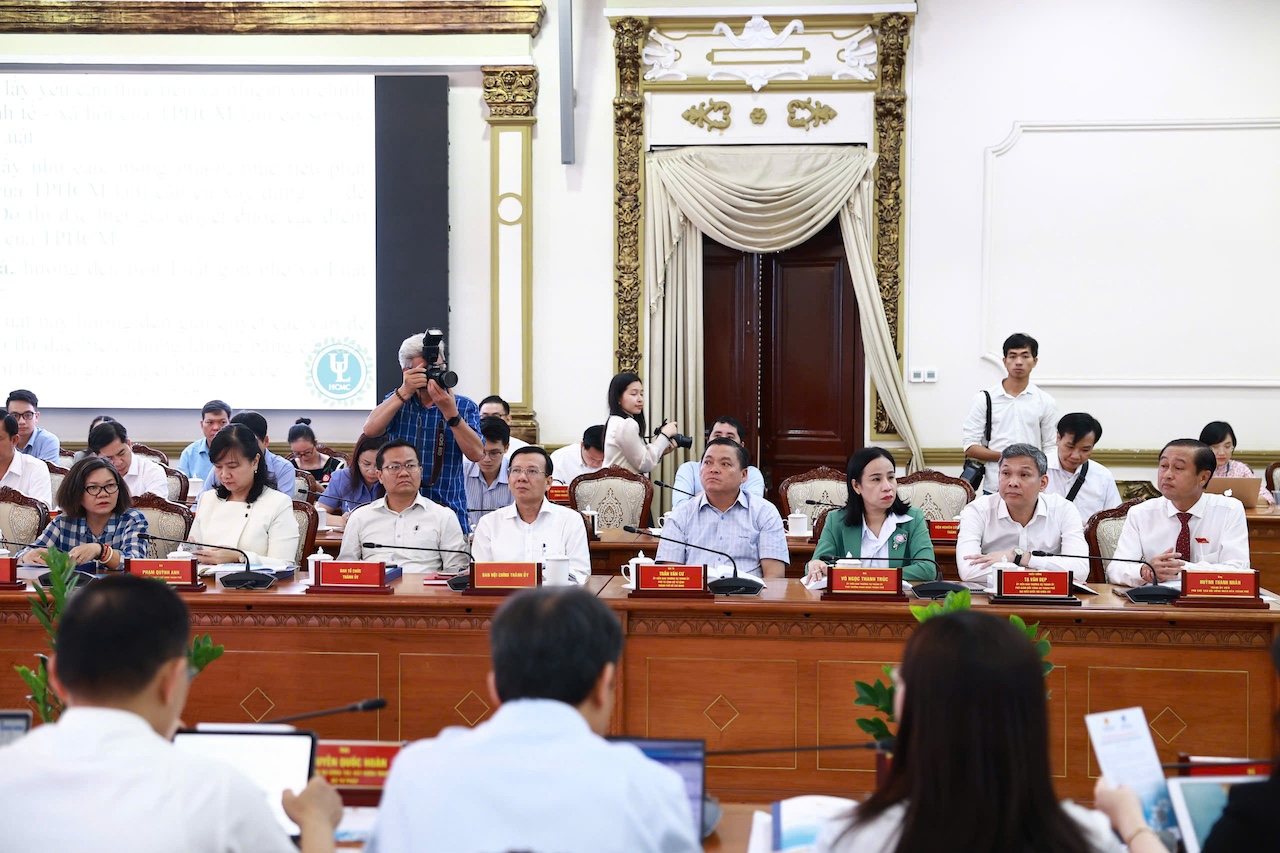
Delegates and distinguished guests attending the event
The conference received more than sixty scholarly papers submitted by experts, researchers, state management agencies, elected representatives, and academic and research institutions. The Organizing Committee selected fifty-one high-quality papers for inclusion in the Conference Proceedings, covering a broad range of issues, including decentralization and delegation of authority, urban government organization, planning, fiscal and budgetary mechanisms, smart urban governance, mobilization of private resources, and mechanisms for the development of science, technology and innovation.
Notably, three keynote papers presented directly at the conference attracted significant attention from participants.
The paper entitled “Requirements and Fundamental Contents of the Draft Framework for the Law on Special Urban Governance” by Dr. Lê Trường Sơn – Rector of Ho Chi Minh City University of Law – and Dr. Nguyễn Thị Thiện Trí, lecturer of the Faculty of Administrative and State Law of the University, focused on clarifying the theoretical foundations and policy orientations underpinning the draft Law. The authors proposed that the Law on Special Urban Governance should be developed toward the establishment of a new urban governance model characterized by greater autonomy, enhanced flexibility and stronger international competitiveness. The paper emphasized the necessity of deepening decentralization, expanding the City’s autonomy in areas such as planning, investment, finance and budgeting, land administration, science and technology, and innovation, while simultaneously designing coherent mechanisms for power control and accountability.
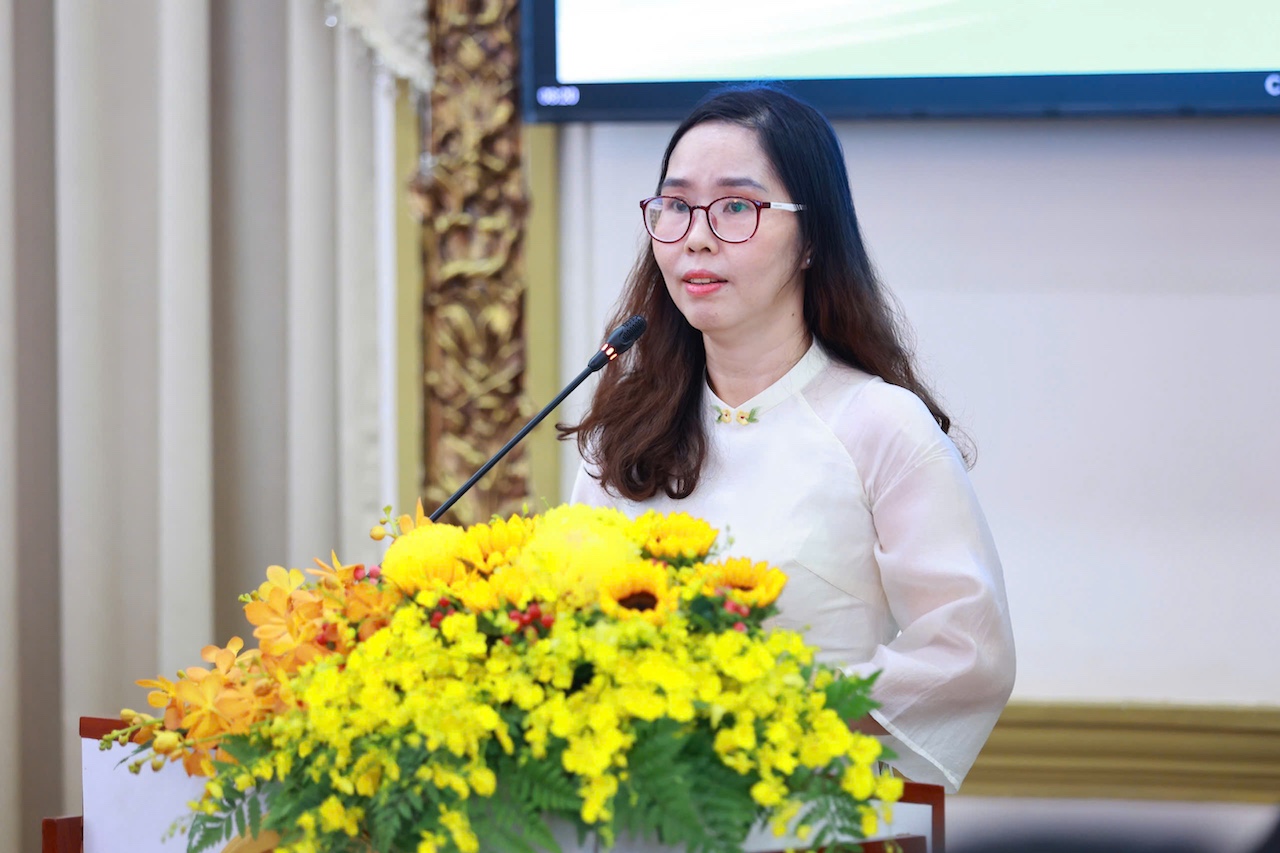
Dr. Nguyễn Thị Thiện Trí, Lecturer of the Faculty of Administrative and State Law, Ho Chi Minh City University of Law, presenting her scholarly paper at the conference
Meanwhile, the paper by Mr. Lê Minh Đức, LL.M. – Deputy Head of the Legal Affairs Committee of the Ho Chi Minh City People’s Council – entitled “Establishing a Comprehensive Decentralization and Delegation Mechanism in the Law on Special Urban Governance” concentrated on analyzing the existing “bottlenecks” within Ho Chi Minh City’s current governance model. The author argued that, given the scale and characteristics of a mega-city, Ho Chi Minh City should be granted stronger decision-making powers in public investment management, organizational structuring, personnel administration, planning, and fiscal and budgetary governance. According to the paper, substantive decentralization must be accompanied by ex-post supervision mechanisms, greater transparency in governance, and enhanced accountability of public officials and agencies.
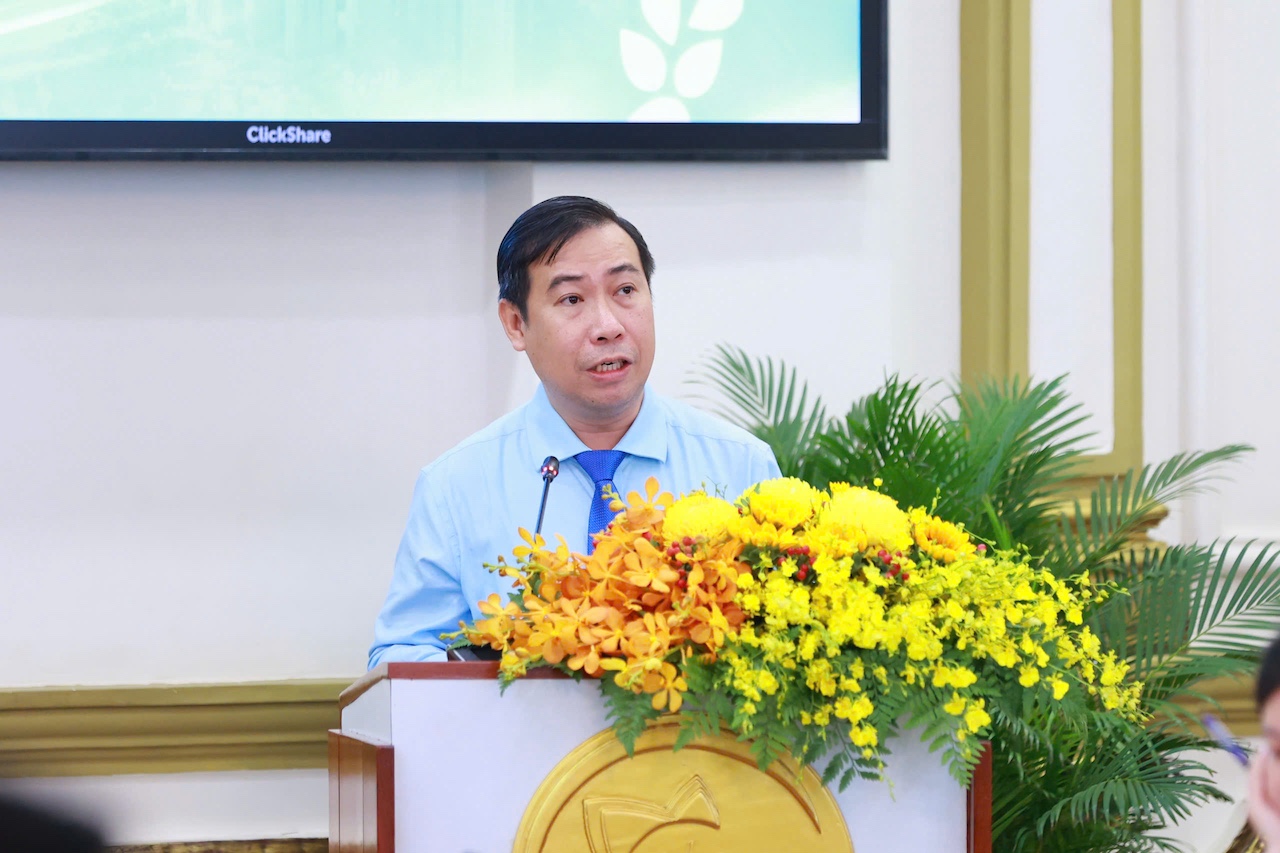
Mr. Lê Minh Đức, LL.M., Deputy Head of the Legal Affairs Committee of the Ho Chi Minh City People’s Council, presenting his paper at the conference
From the perspective of urban government organization, the paper by Assoc. Prof. Dr. Vũ Văn Nhiêm – Secretary of the Party Committee of Ho Chi Minh City University of Law – and Dr. Trần Thị Thu Hà, lecturer of the Faculty of Administrative and State Law, concerning the position of the Chairperson of the People’s Committee within the special urban governance model, proposed strengthening both the authority and proactiveness of the head of urban administration. The authors argued that a modern mega-city requires an executive model that is sufficiently rapid, adaptive and responsive to evolving development demands. Expanding the authority of the Chairperson of the People’s Committee must therefore be accompanied by clear mechanisms for supervision, control of power and accountability.
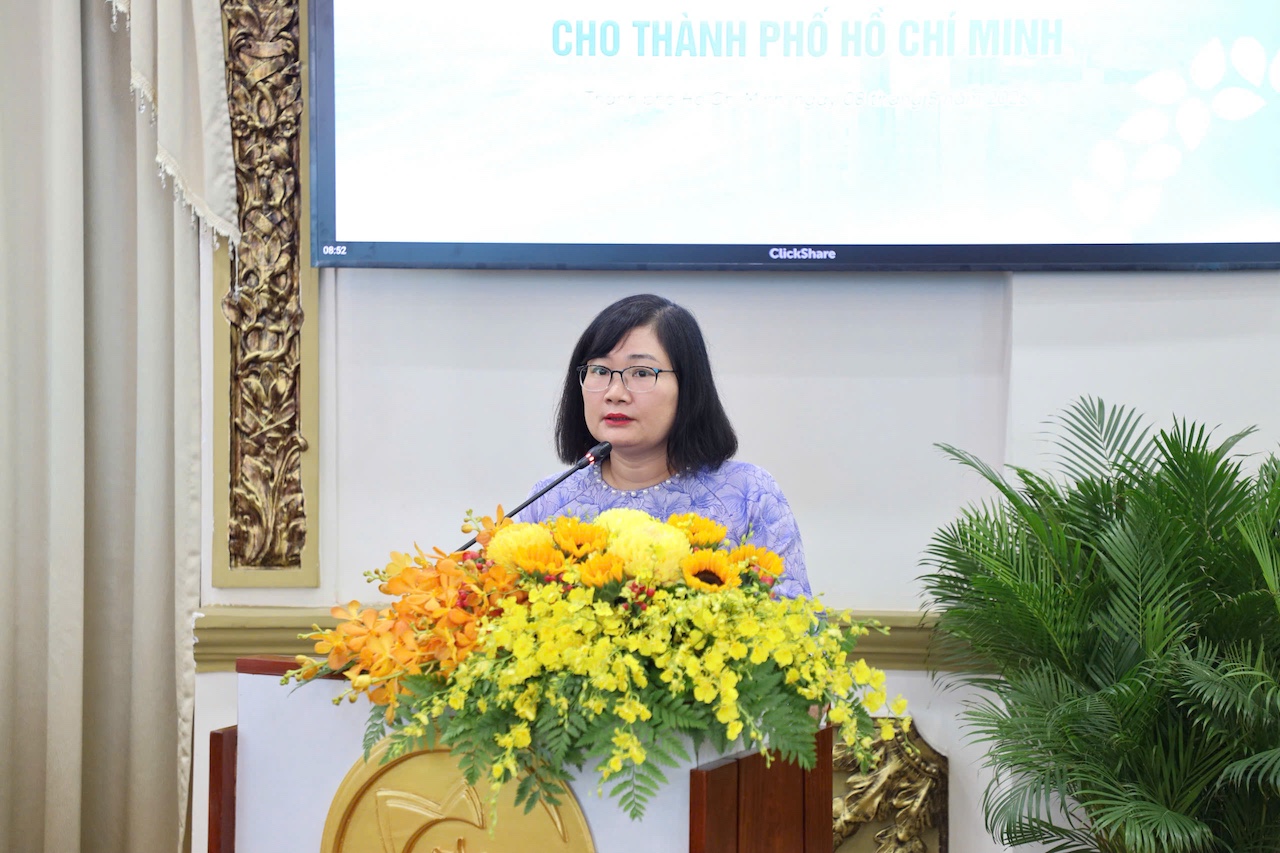
Dr. Trần Thị Thu Hà, Lecturer of the Faculty of Administrative and State Law, Ho Chi Minh City University of Law, presenting her paper at the conference
Beyond the keynote presentations, the conference also recorded numerous thoughtful and substantive opinions from scholars, members of the National Assembly, delegates of People’s Councils, leaders of departments and agencies, enterprises, and representatives of local authorities. Many important proposals were raised concerning mechanisms for science and technology development, the establishment of an international financial centre, free trade zones, attraction of private investment, policy experimentation frameworks, and the enhancement of local governmental autonomy.
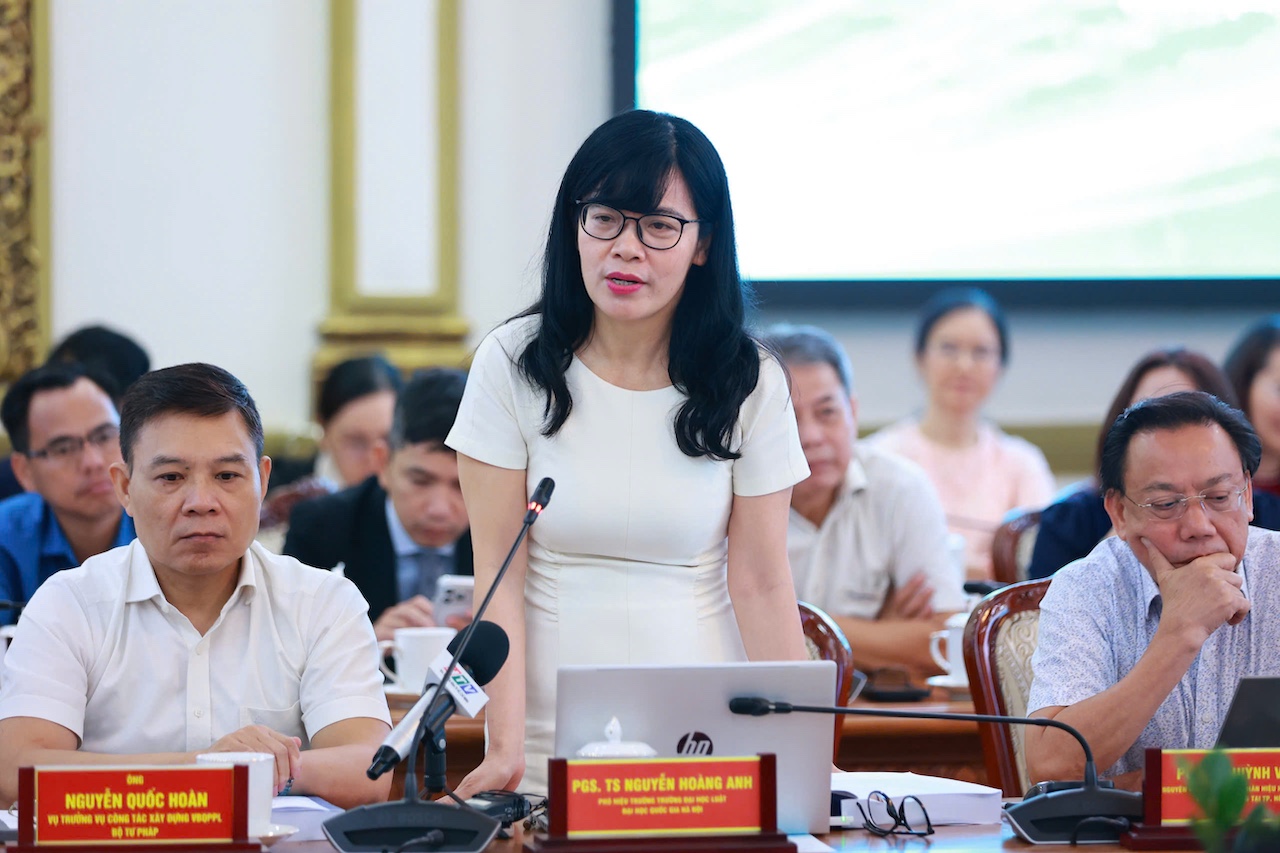
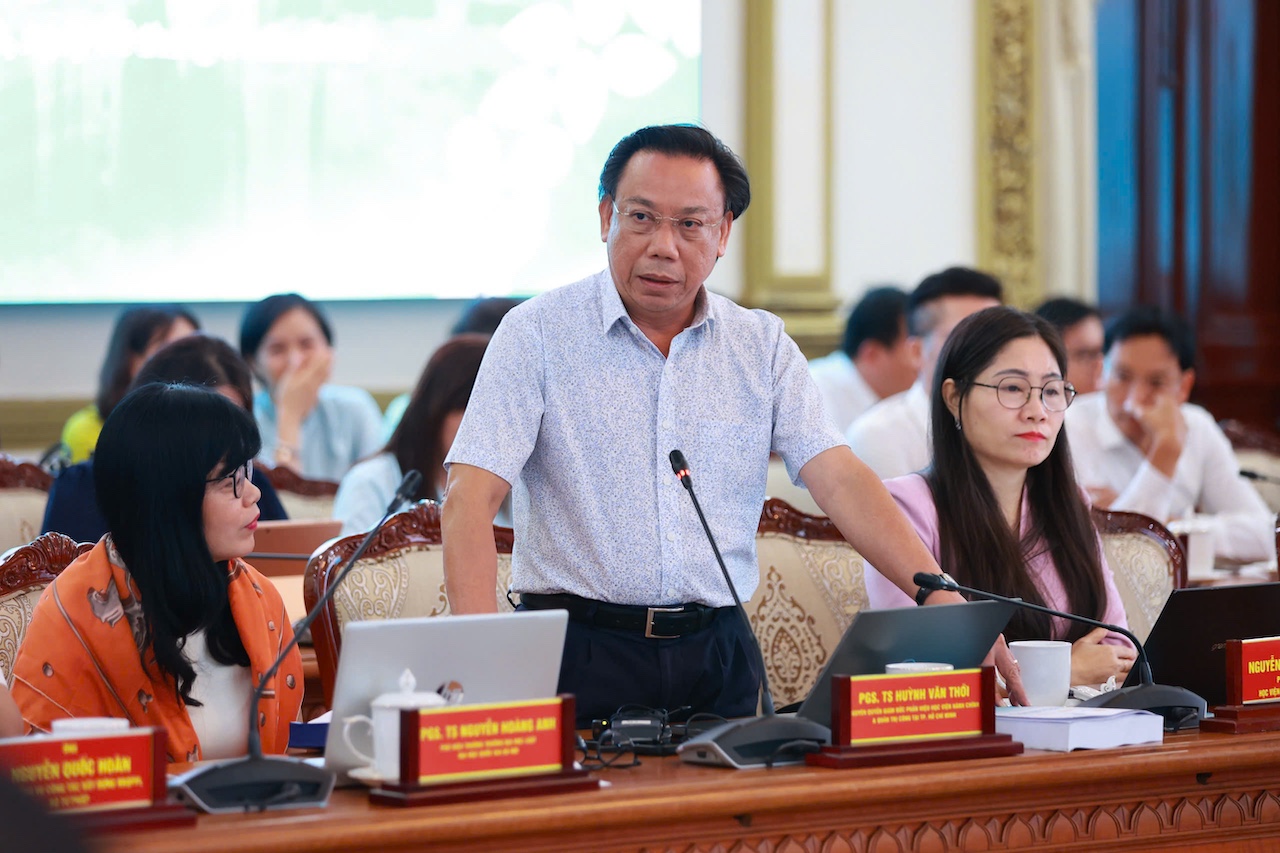
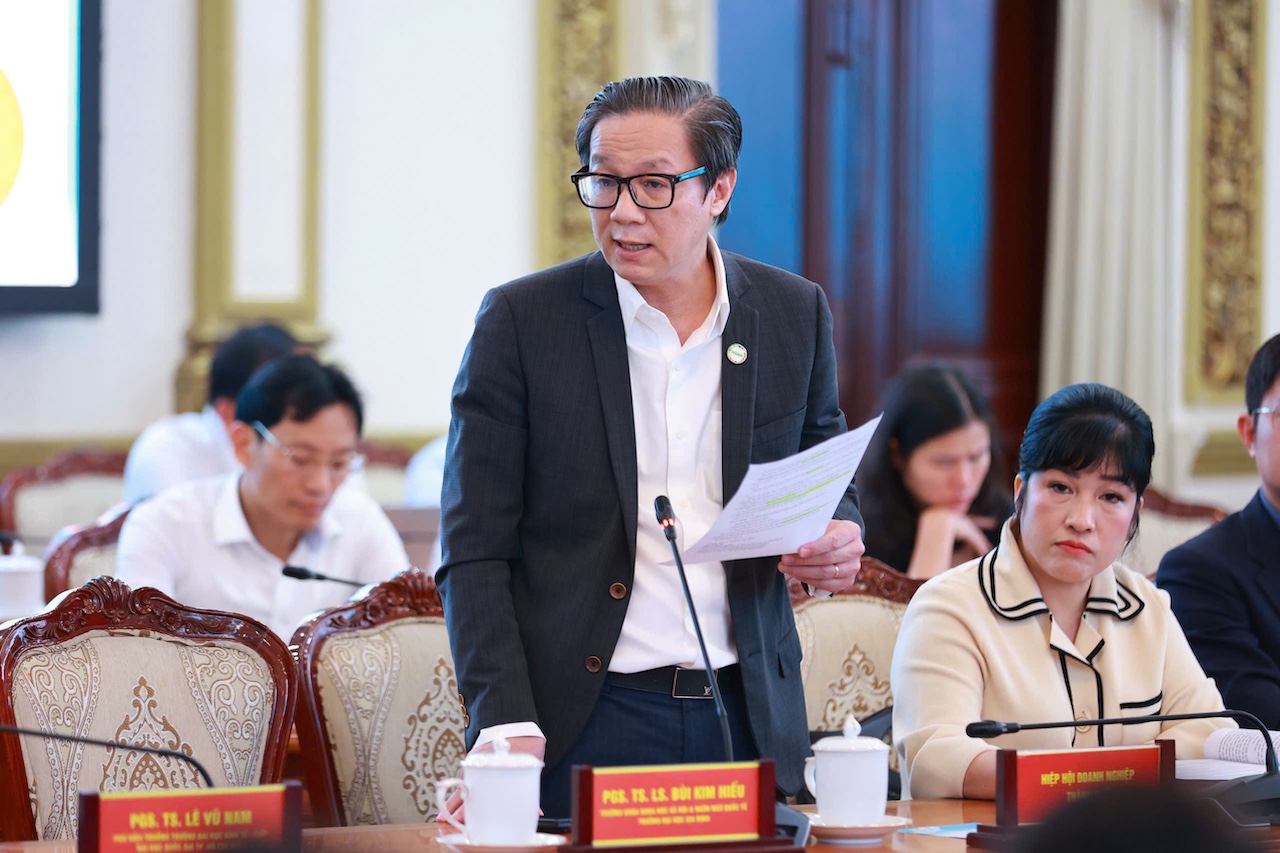
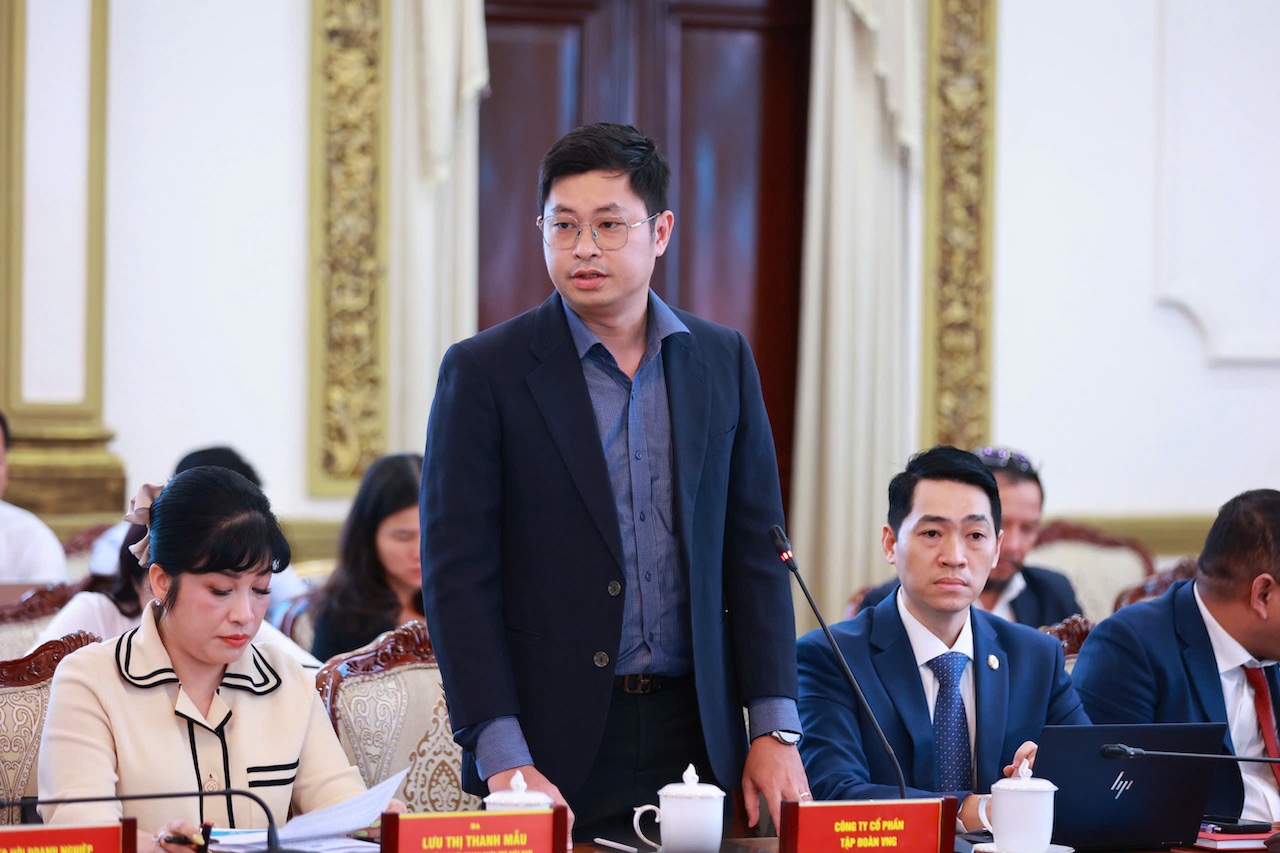
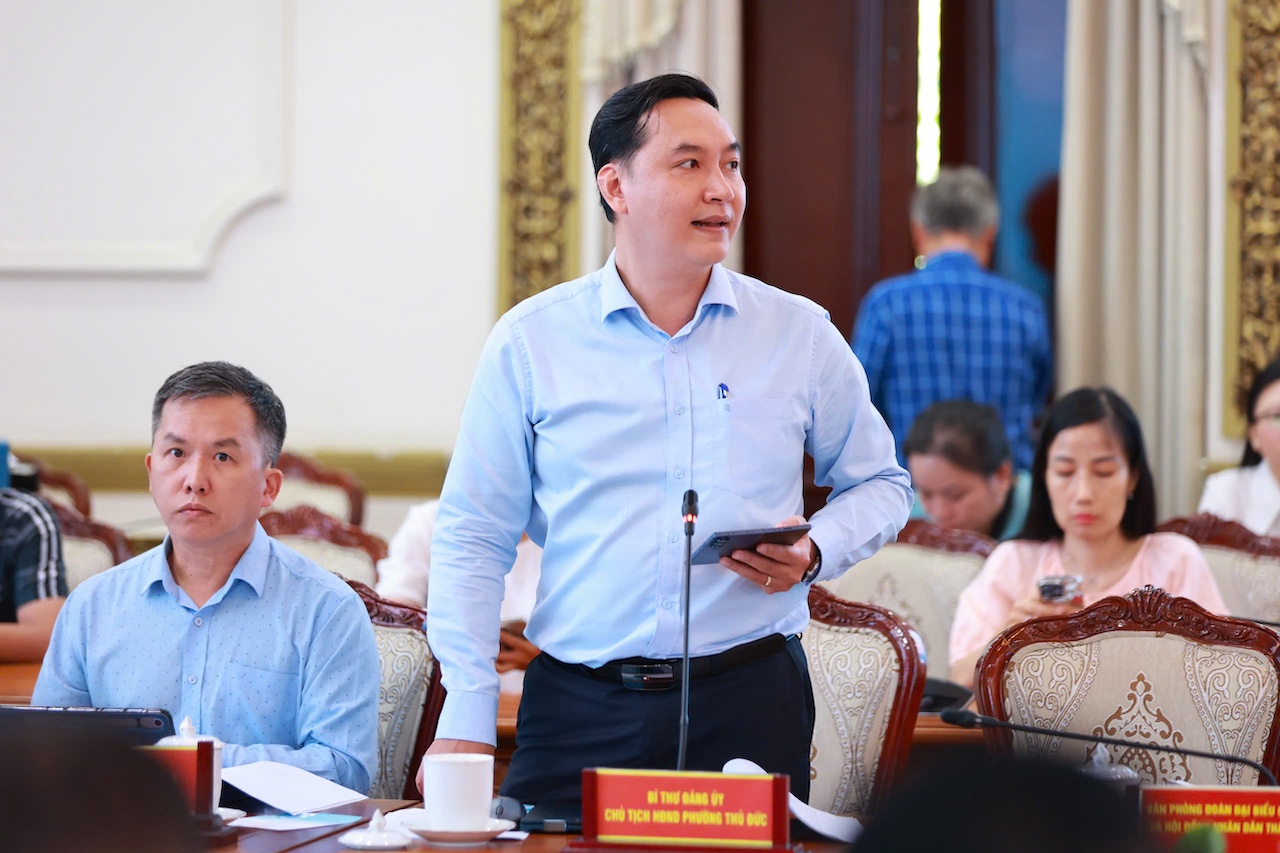
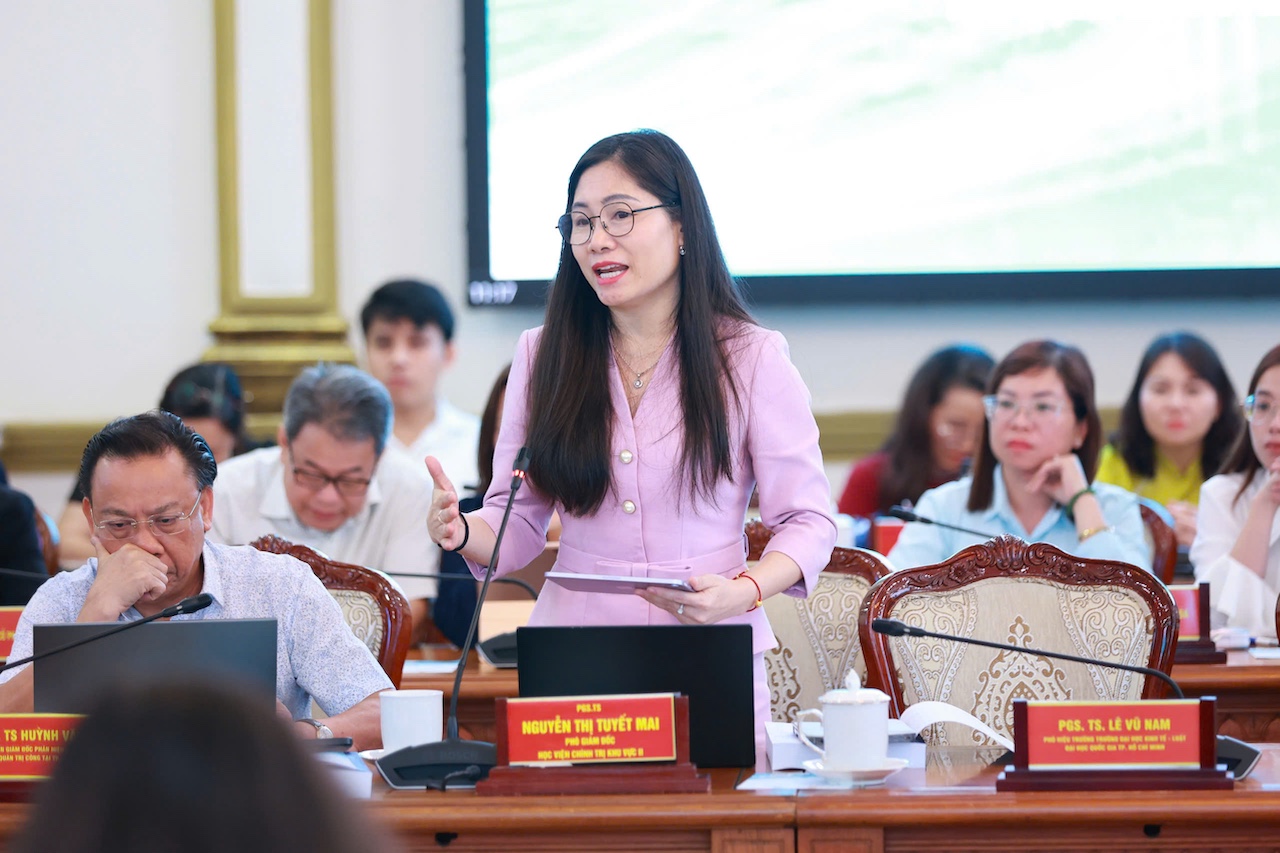
Delegates engaging in discussion and contributing opinions at the conference
Participants at the conference reached broad consensus that the Law on Special Urban Governance must become a development-oriented legislative framework capable of creating a sufficiently broad institutional space for Ho Chi Minh City to fully realize its potential, while paving the way for a more modern, flexible and effective urban governance model in the future.
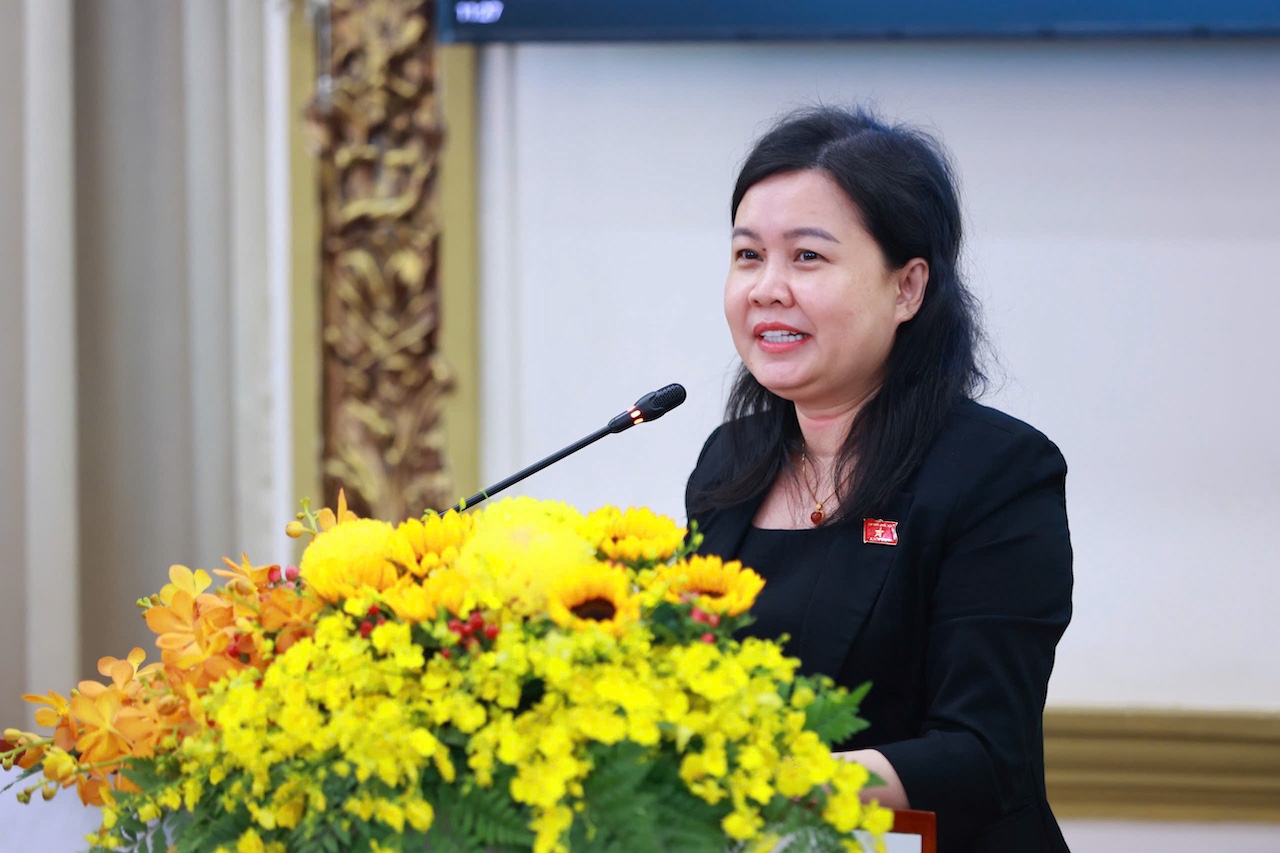
Ms. Nguyễn Phương Thủy, Vice Chairwoman of the National Assembly’s Committee on Law and Justice, delivering remarks at the conference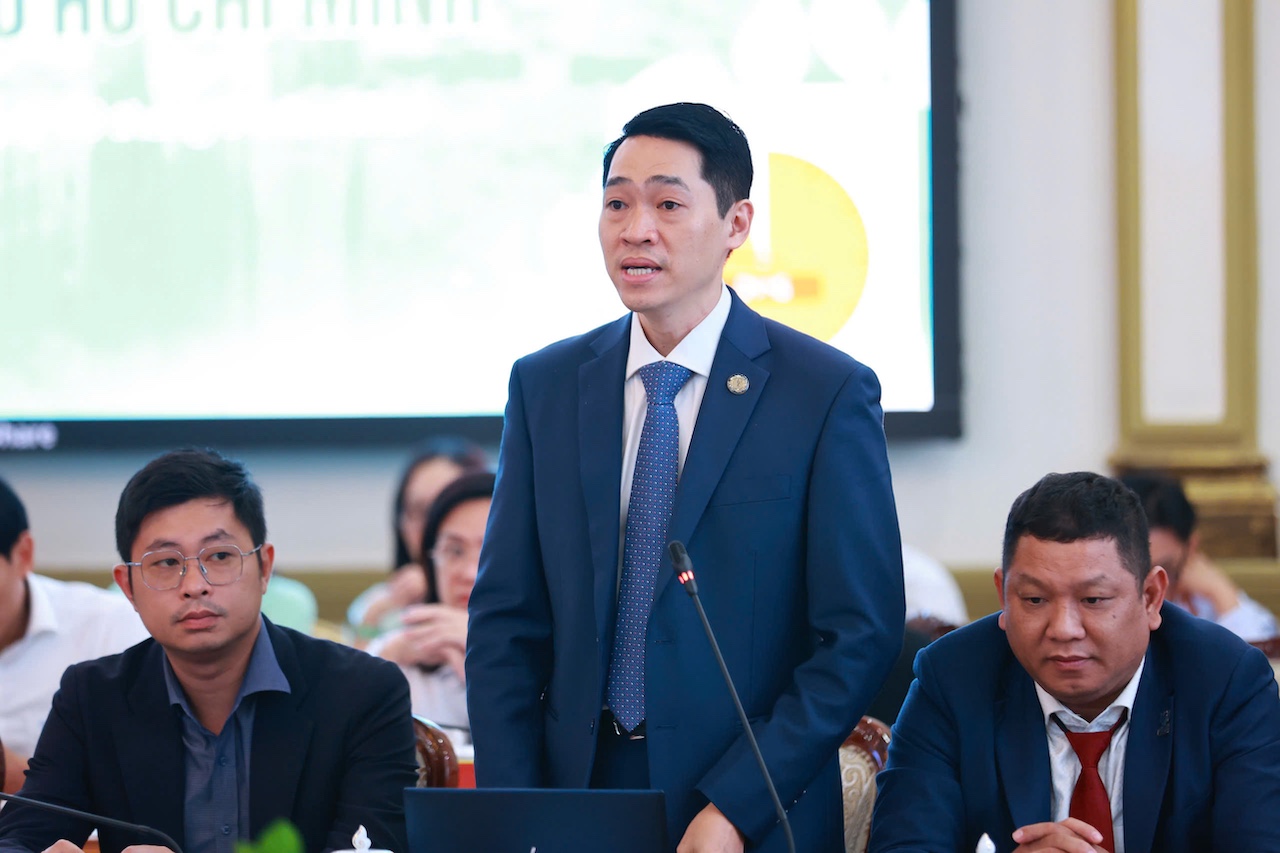
Dr. Đặng Tất Dũng, Deputy Head of the Faculty of Administrative and State Law, Ho Chi Minh City University of Law, delivering remarks at the conference
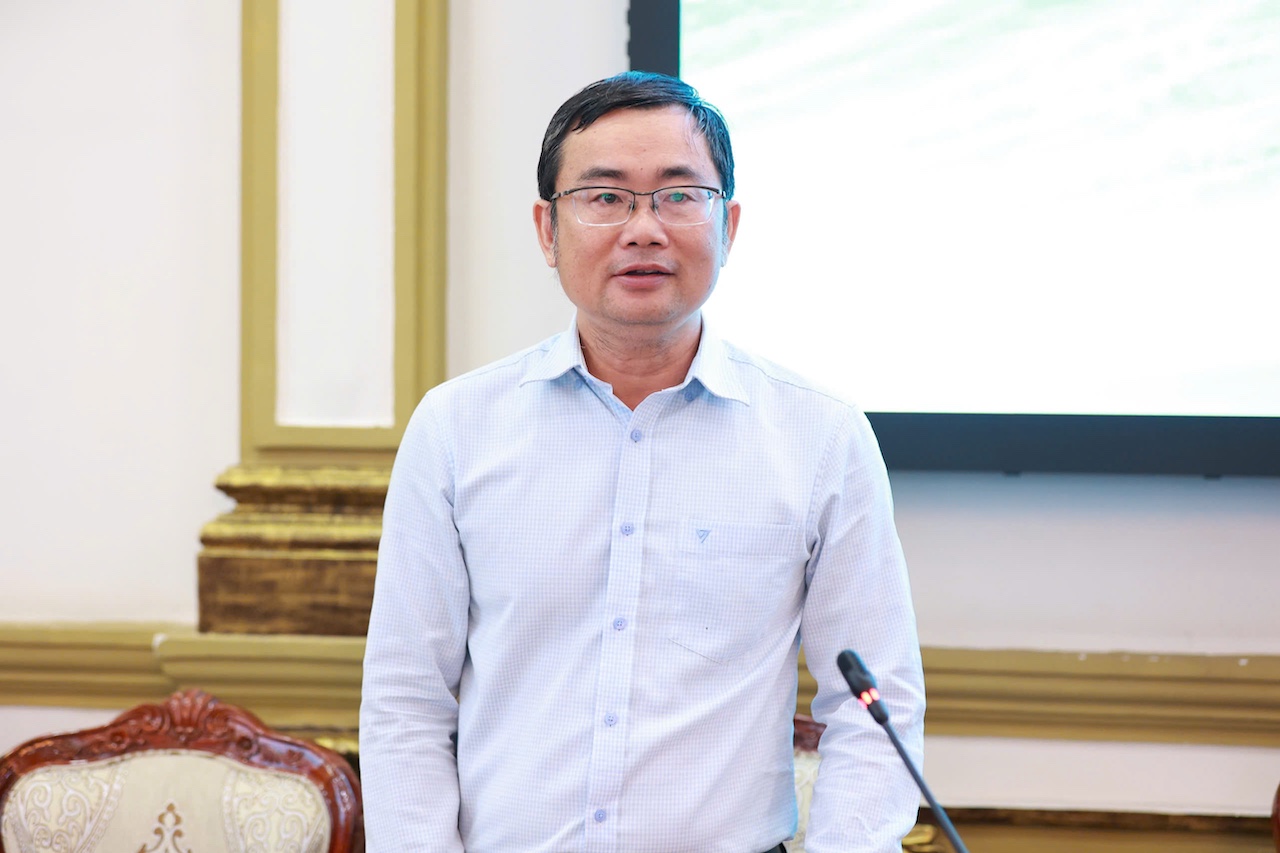
Dr. Phan Phương Nam, Deputy Head of the Faculty of Commercial Law, Ho Chi Minh City University of Law, delivering remarks at the conference
In his concluding remarks, Dr. Lê Trường Sơn – Rector of Ho Chi Minh City University of Law – affirmed that the national scientific conference “The Law on Special Urban Governance – Institutional Breakthroughs for Ho Chi Minh City” had successfully completed its entire agenda and achieved significant outcomes in both academic and practical dimensions. On behalf of the Organizing Committee, he expressed sincere appreciation to leaders, experts, scholars, administrators, faculty members and all delegates for attending the conference, contributing papers and providing profound and dedicated insights.
According to Dr. Lê Trường Sơn, the urgency of developing the Law on Special Urban Governance has already been clearly identified by the Party Central Committee from both theoretical and practical perspectives. Building upon the orientations and directives issued by central authorities and Ho Chi Minh City leaders, the conference approached the issue comprehensively, multidimensionally and with considerable academic depth, while proposing numerous breakthrough mechanisms appropriate to Ho Chi Minh City’s role as the nation’s economic, financial, innovation and international integration hub. He emphasized that many papers and discussions at the conference had focused on clarifying critical issues relating to the governance model of a special urban area, decentralization mechanisms, development of an international financial centre, fiscal and budgetary mechanisms, as well as international experiences in modern urban governance.
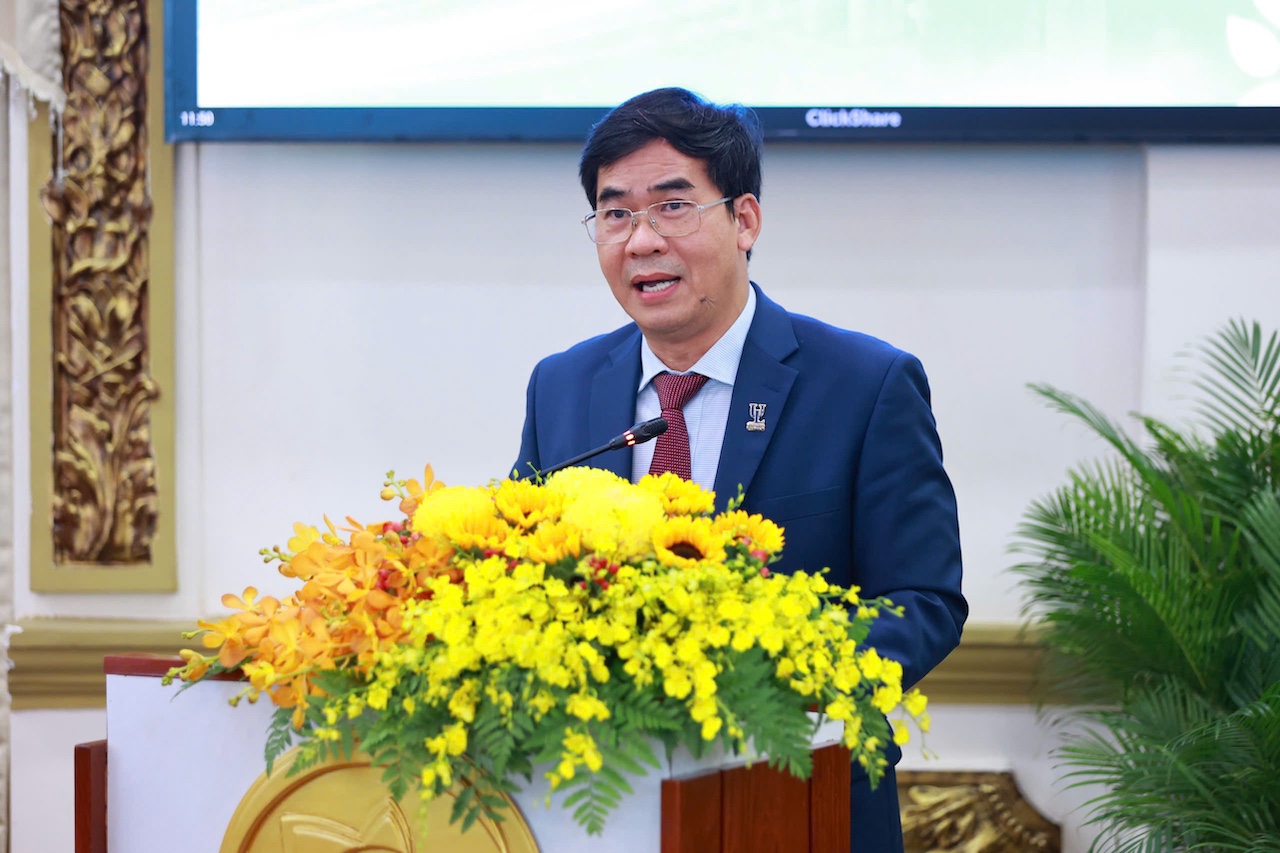
Dr. Lê Trường Sơn, Rector of Ho Chi Minh City University of Law, delivering concluding remarks at the conference
Dr. Lê Trường Sơn further noted that the Organizing Committee would comprehensively synthesize all papers, discussions and recommendations submitted by delegates and forward them to competent authorities to directly support the ongoing research, drafting and refinement of the Law on Special Urban Governance for Ho Chi Minh City in the coming period. He also affirmed that the collaboration between the Ho Chi Minh City People’s Council and Ho Chi Minh City University of Law in organizing the conference had established a highly valuable model of linkage between governance practice and academic depth, between the City’s development imperatives and the responsibility of the scholarly community to conduct research, provide critical analysis and contribute policy recommendations. This cooperation, he stressed, has laid an important foundation for future research activities, policy consultancy and continued institutional support for the development trajectory of Ho Chi Minh City in the new era.
Prepared by the Department of Communications and Enterprise Relation